“Your word is a lamp to my feet and a light to my path.”
Psalm 119:105
Scripture, liturgy, sacraments and Christian living
Intent
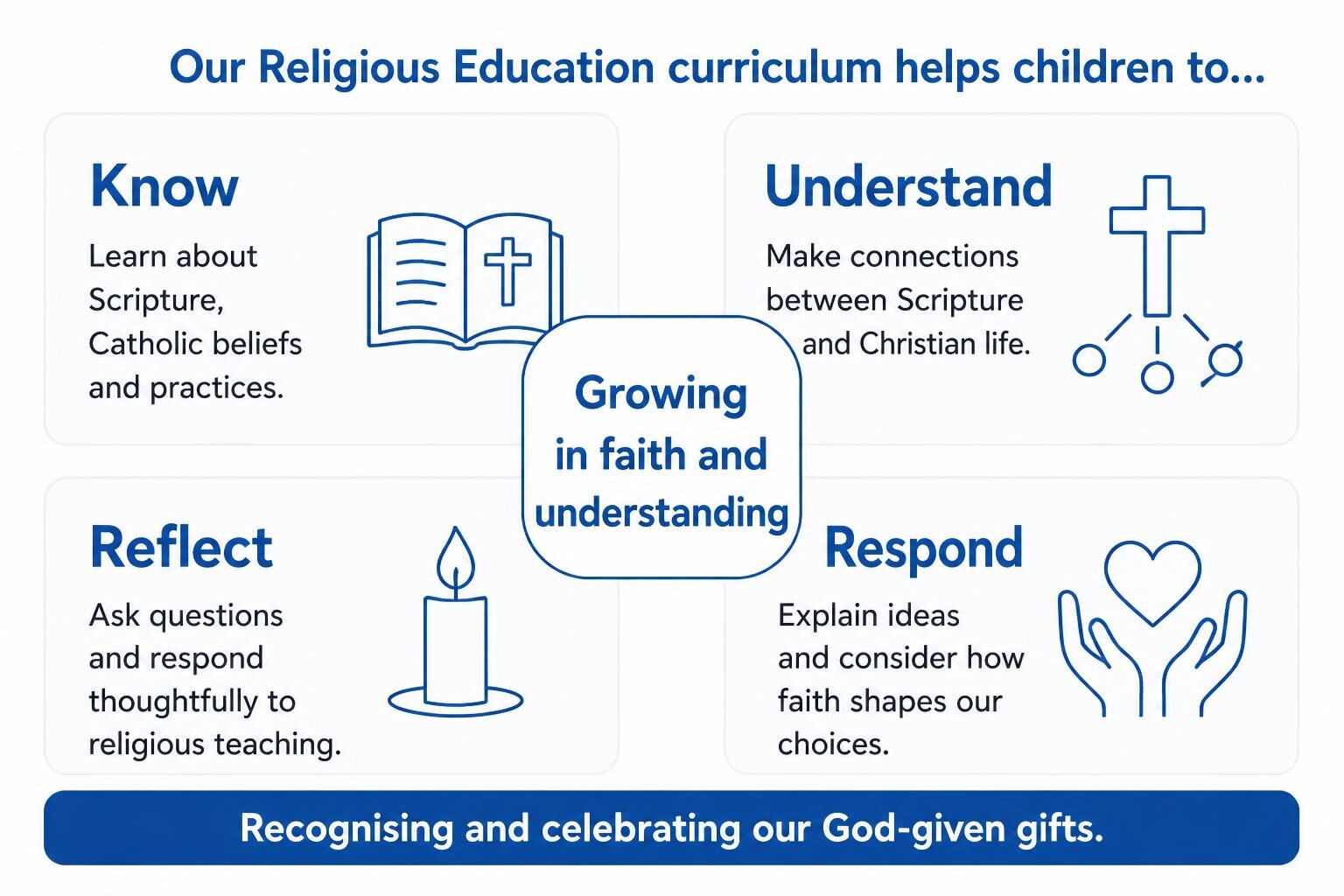
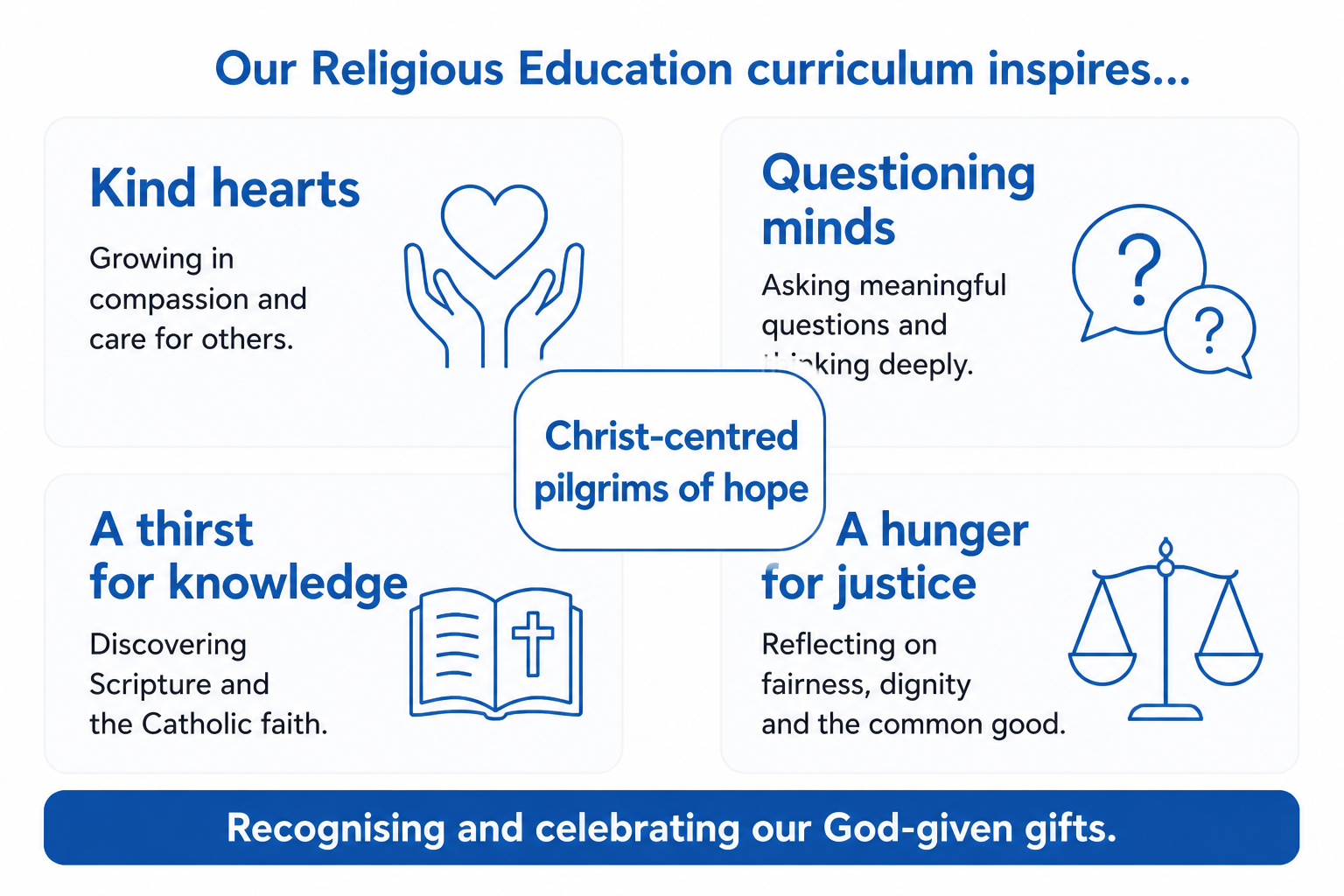
At St Mary’s, our Religious Education curriculum supports the shared mission of our diocesan family of schools: “forming Christ-centred pilgrims of hope with kind hearts, questioning minds, a thirst for knowledge and a hunger for justice.”
We follow Discerning Disciples, the religious education curriculum for Catholic primary schools in the Archdiocese of Birmingham. It has been developed in full accordance with the Religious Education Directory (RED), issued by the Catholic Bishops’ Conference of England and Wales, which sets out what pupils in Catholic schools should know, understand and be able to do in religious education.
We aim to deepen pupils’ knowledge and understanding of the Catholic faith, encourage thoughtful questioning and help children consider how faith shapes the way we live and relate to others.
Implementation
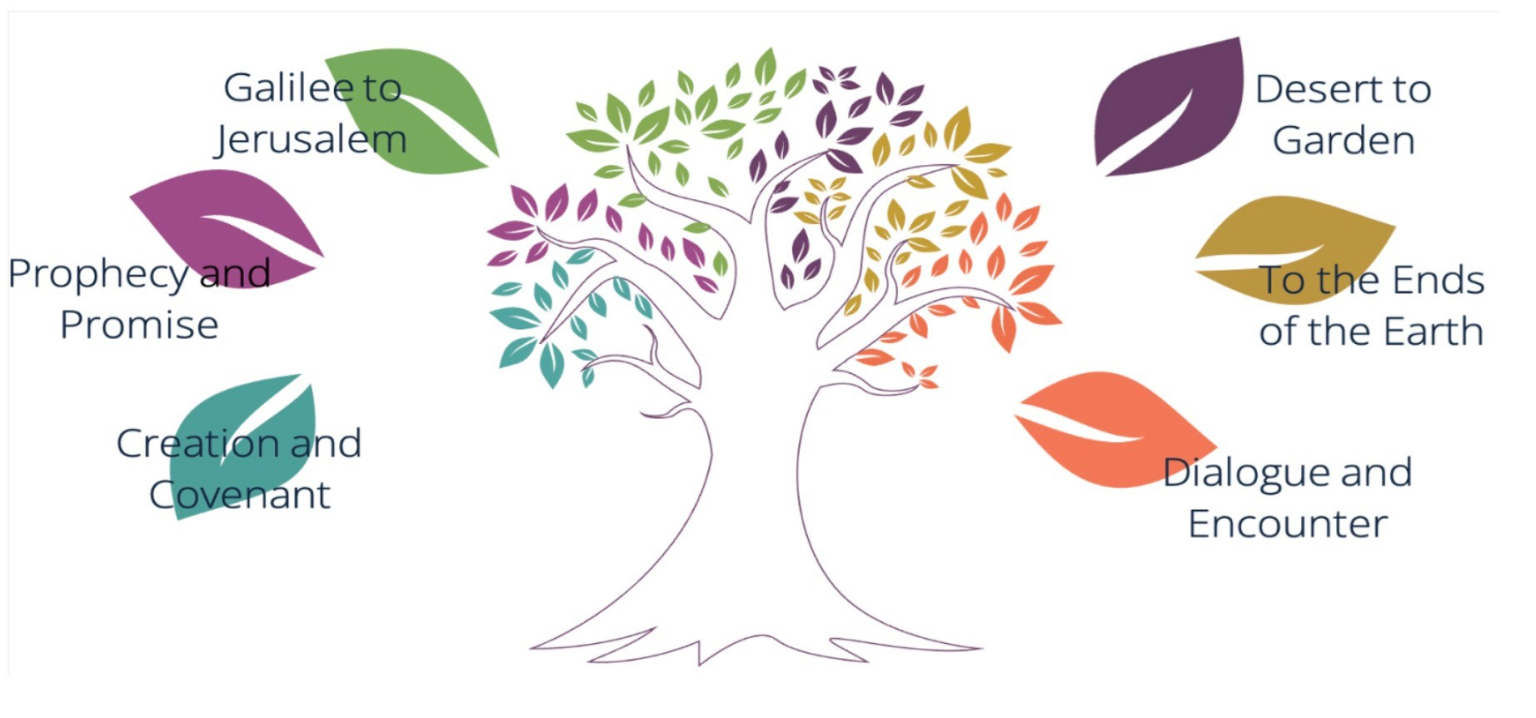
Discerning Disciples is organised into six branches of the RED, which align with the Catholic Church’s liturgical year:
-
Creation and Covenant
-
Prophecy and Promise
-
Galilee to Jerusalem
-
Desert to Garden
-
To the Ends of the Earth
-
Dialogue and Encounter
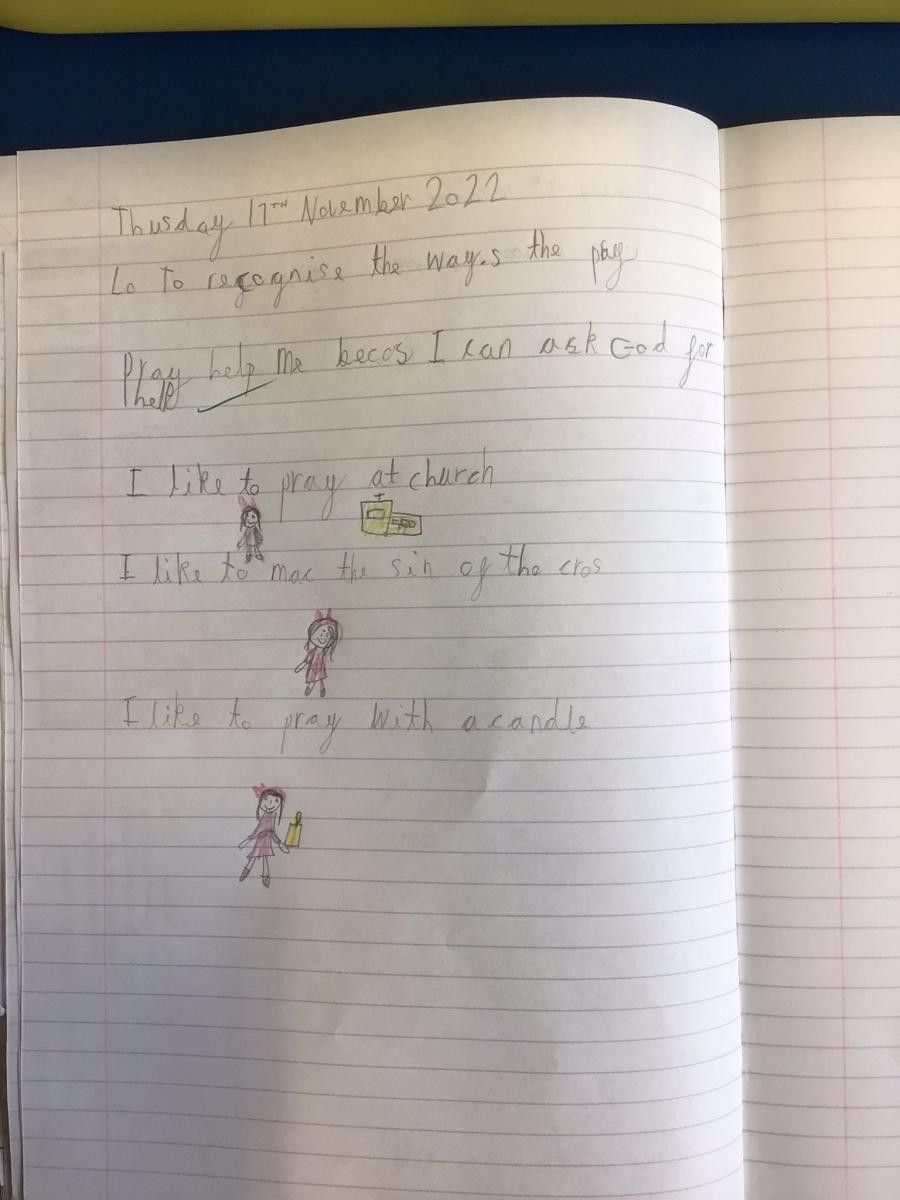
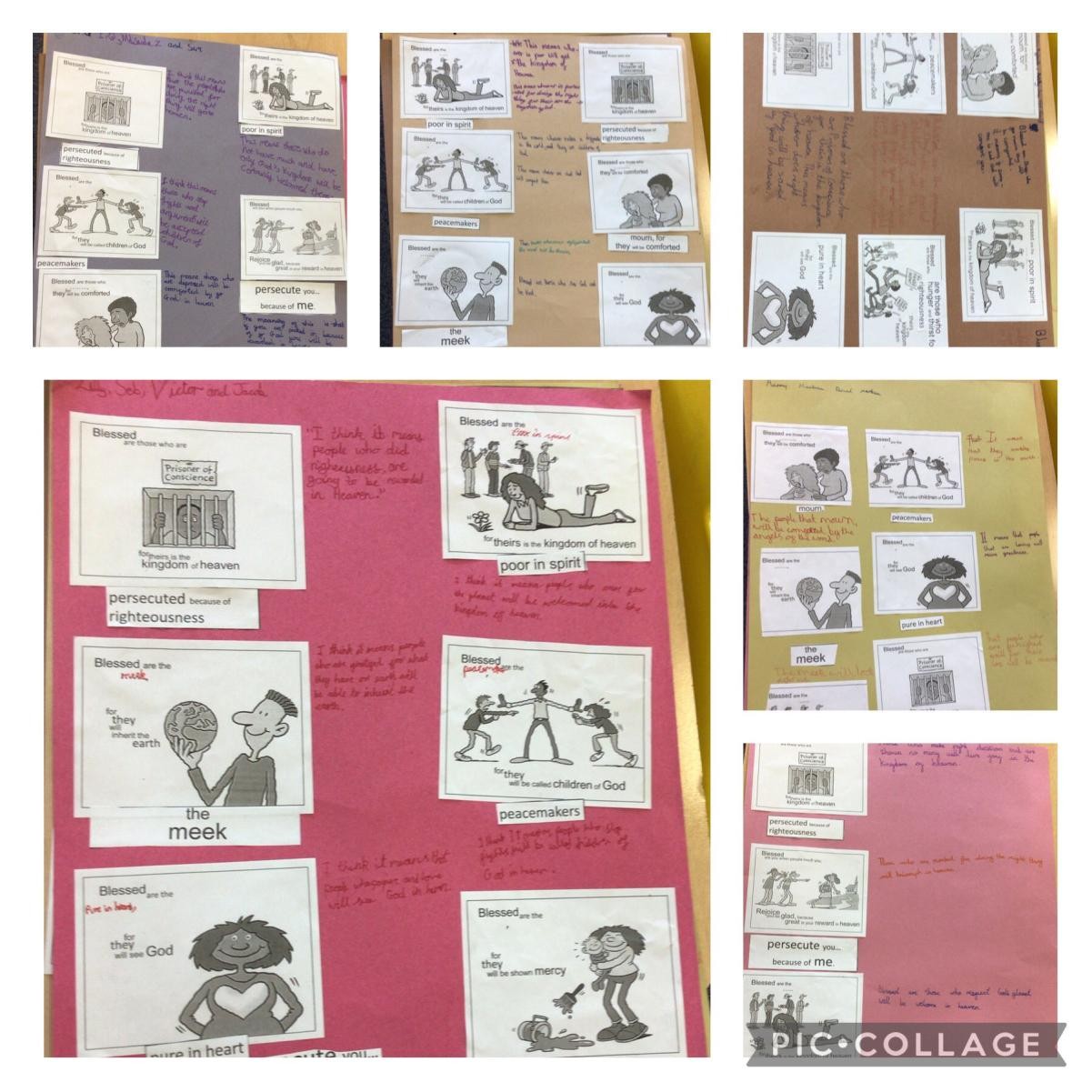
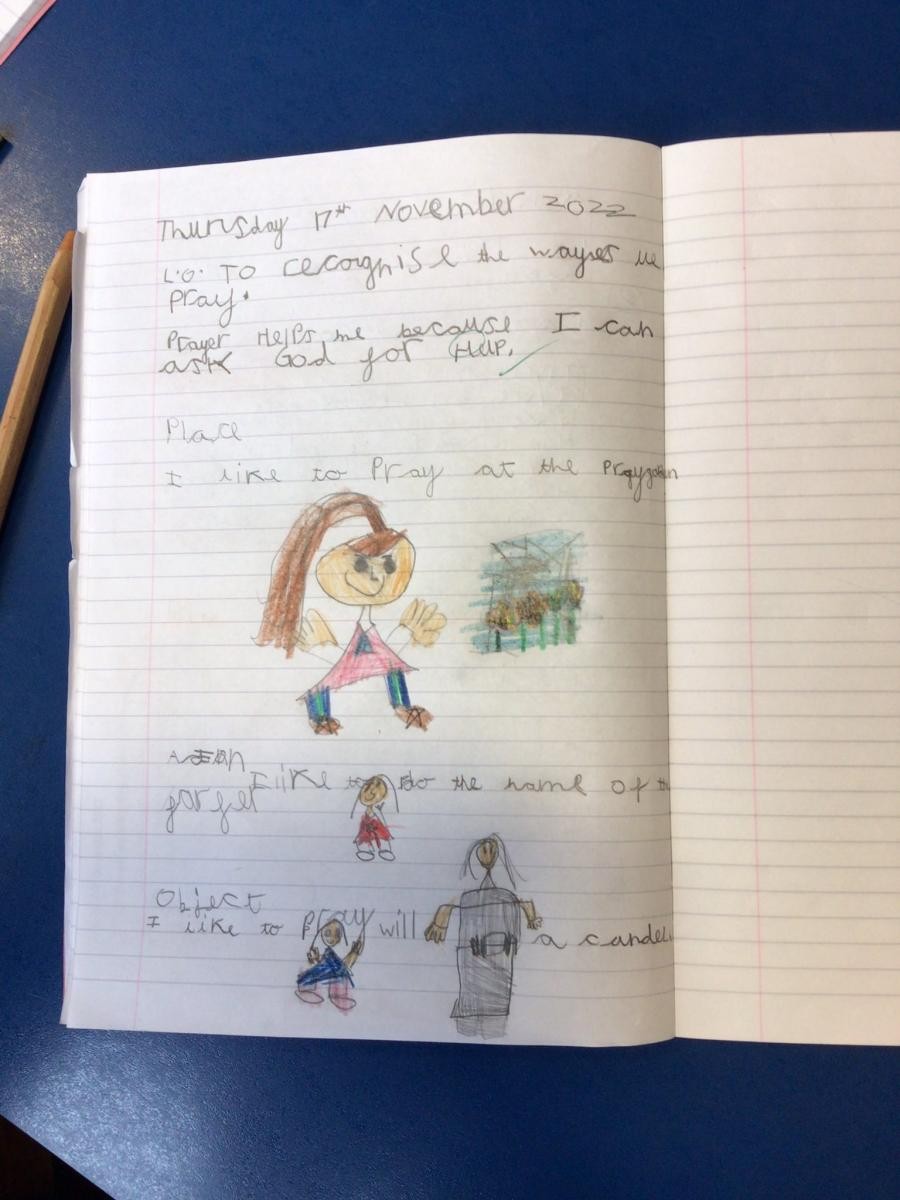
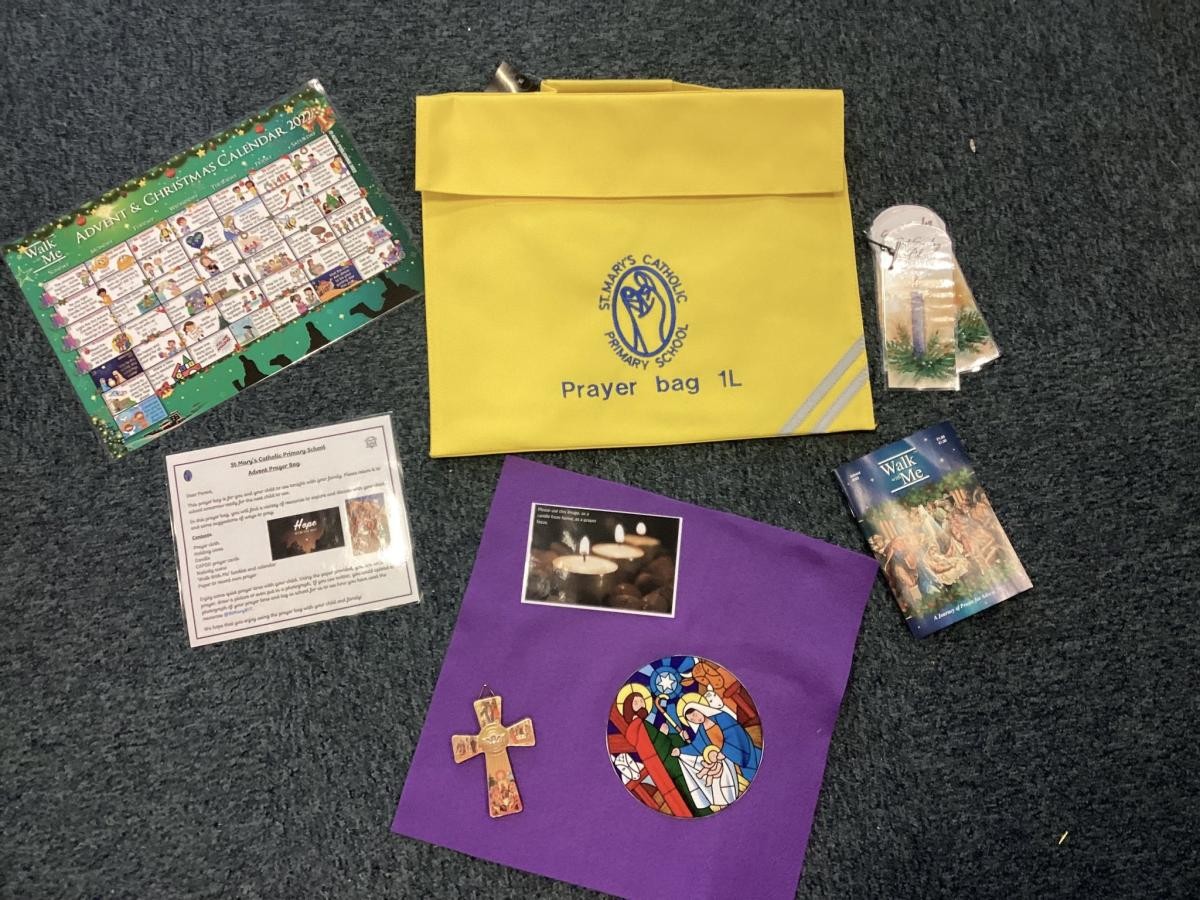
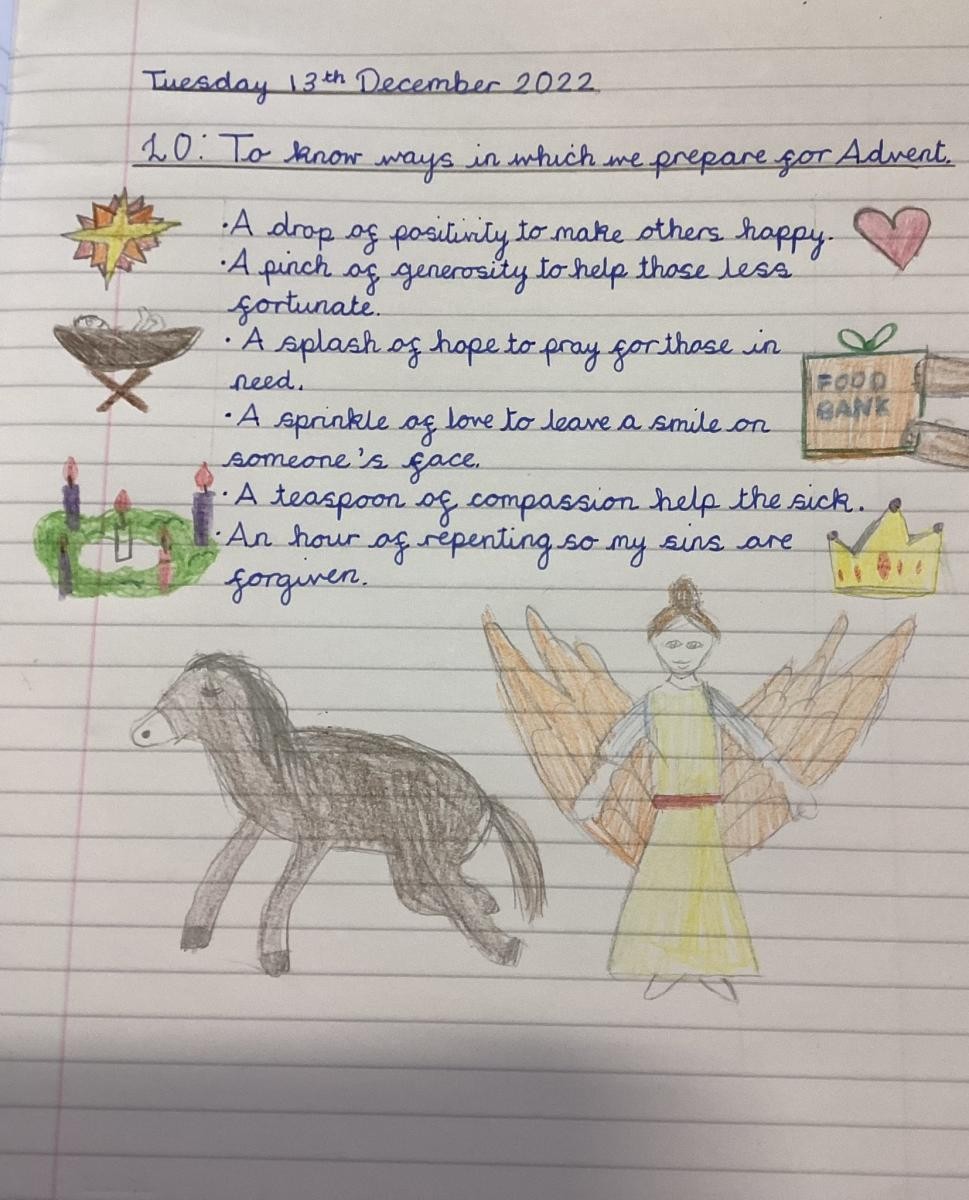
Across these branches, pupils encounter Sacred Scripture, deepen their knowledge and understanding of Catholic faith and teaching, study prayer, liturgy and the sacraments, and consider how faith is lived in the world.
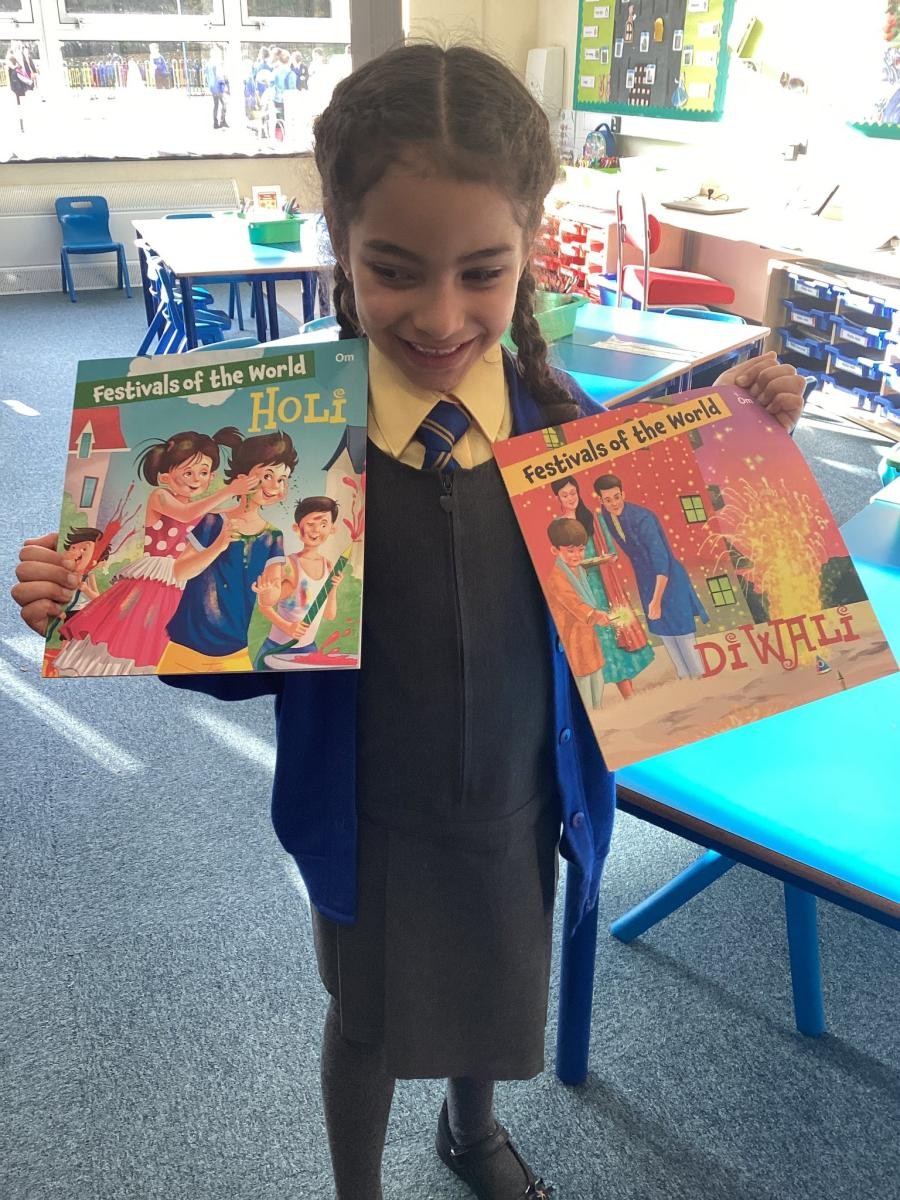
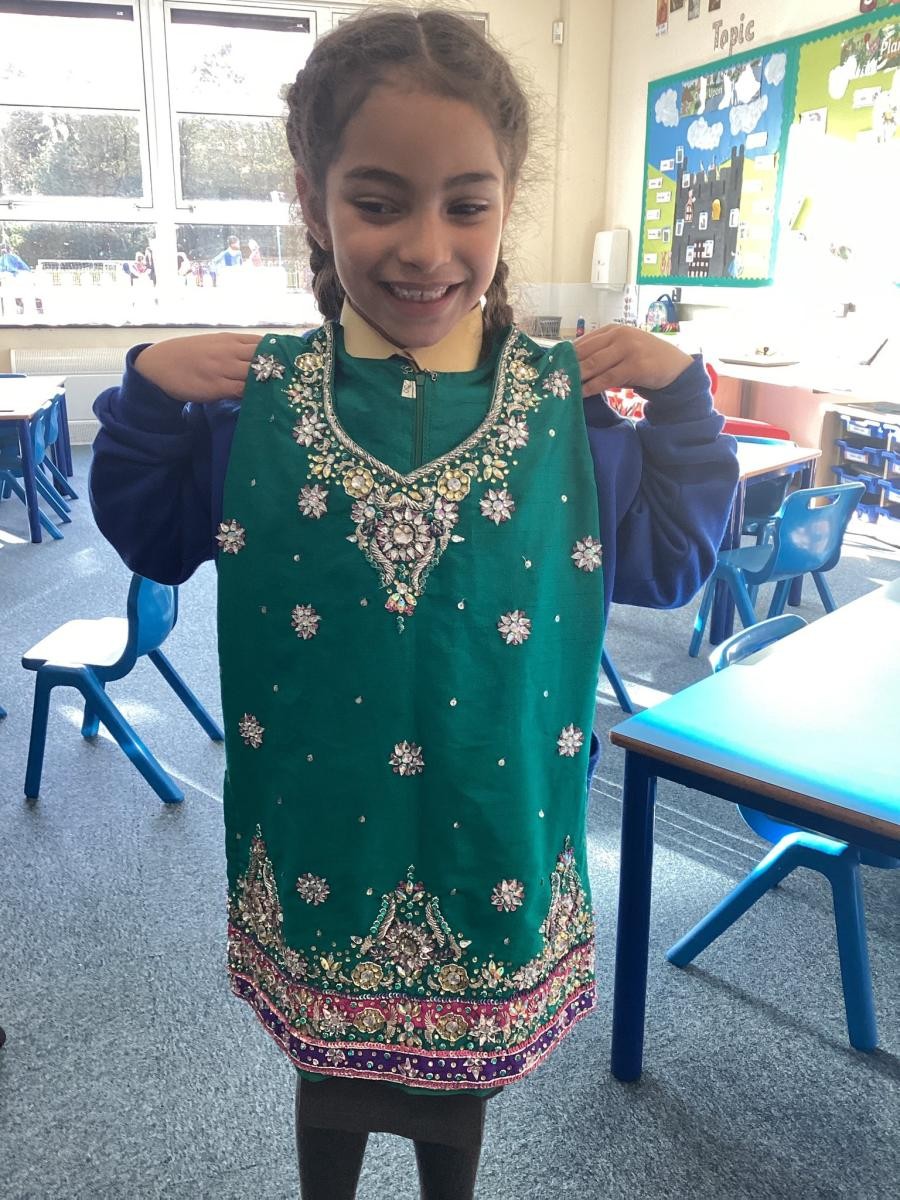
Through Dialogue and Encounter, they also learn about other faiths and religions, developing the knowledge, understanding and dispositions needed for respectful dialogue.
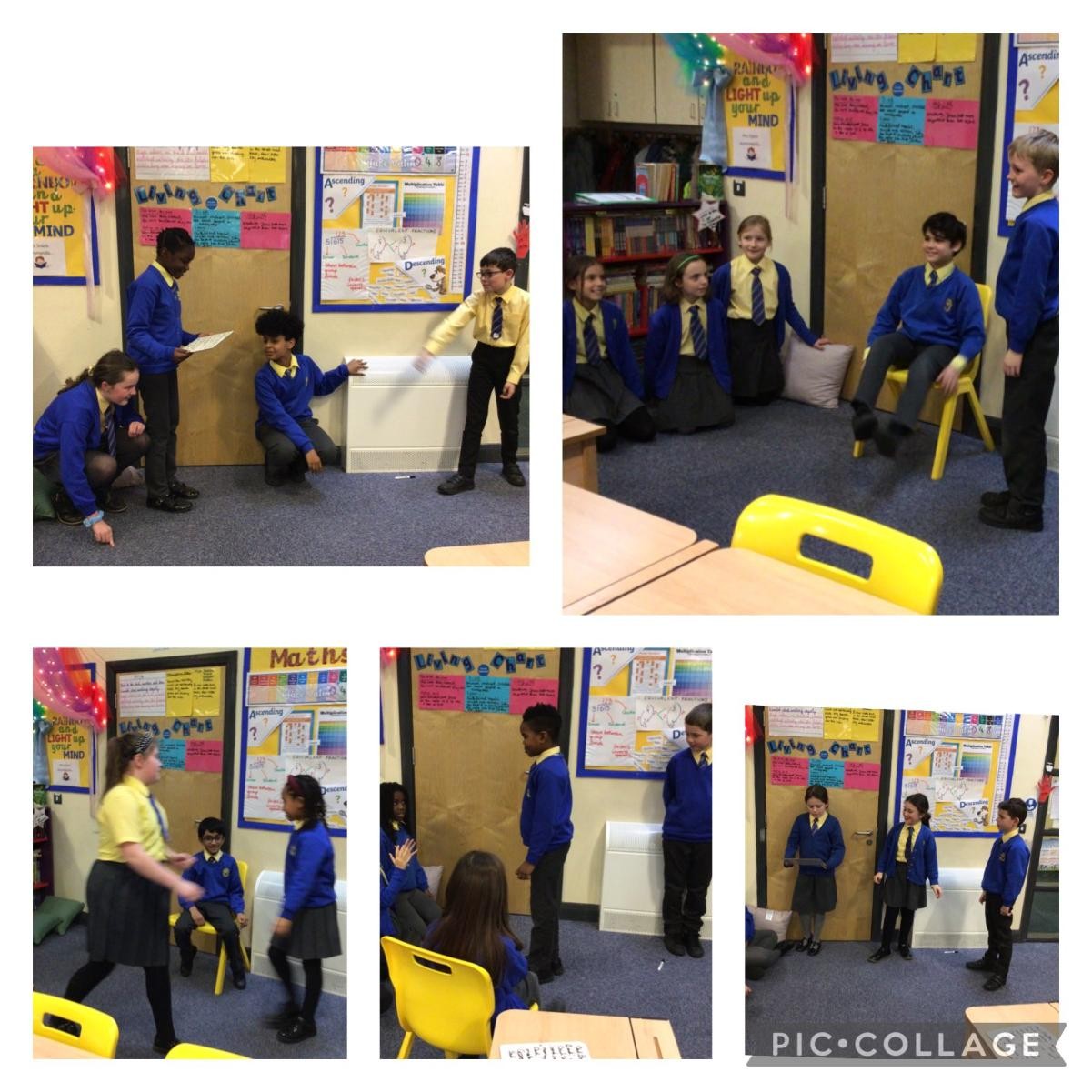
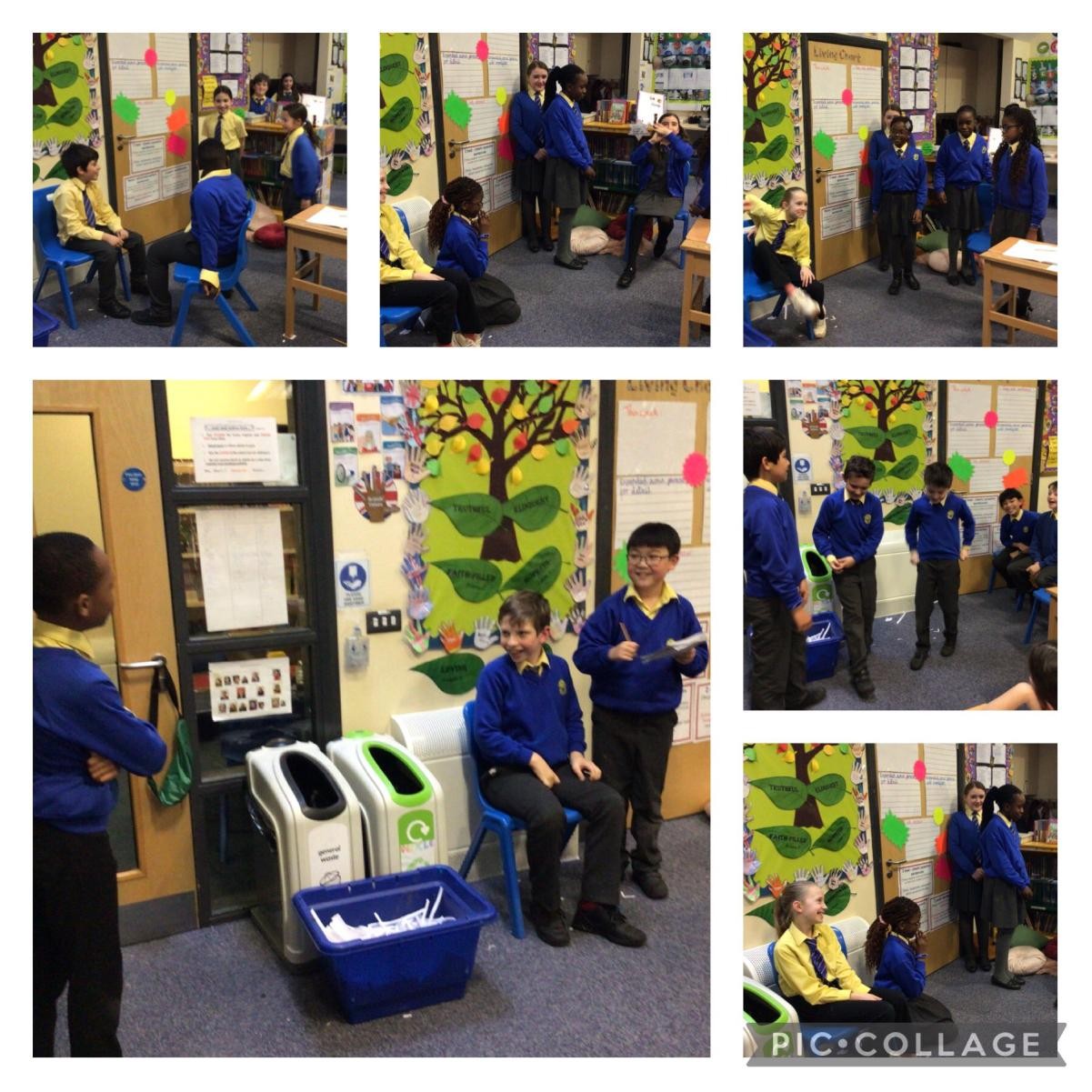
At the heart of Discerning Disciples are the RED’s three ways of knowing: understand, discern and respond. These shape opportunities for pupils to build their religious knowledge, think deeply, make connections, consider different perspectives and make thoughtful judgements.
Impact
Through Discerning Disciples, pupils grow in religious knowledge, wisdom and understanding. They explain what they have learned, make connections between Scripture, Catholic teaching and everyday life, and reflect thoughtfully on different perspectives.
Pupils engage in respectful dialogue and explain how their learning relates to the way they live. They use their knowledge and understanding to consider questions of faith, dignity and justice, express reasoned views and respond with reflection and compassion. Their discussions, work and reflections demonstrate their progress in understanding, discerning and responding.